
Insurance for Special Situations: When Standard Policies Don't Cut It
Most drivers assume a standard auto policy automatically covers whatever situation comes up. Most of the time, that's a safe assumption — until it isn't. A handful of common, real-life situations fall outside what a typical policy is built for, and finding that out after the fact is a rough way to learn it.
Rideshare and Delivery Driving
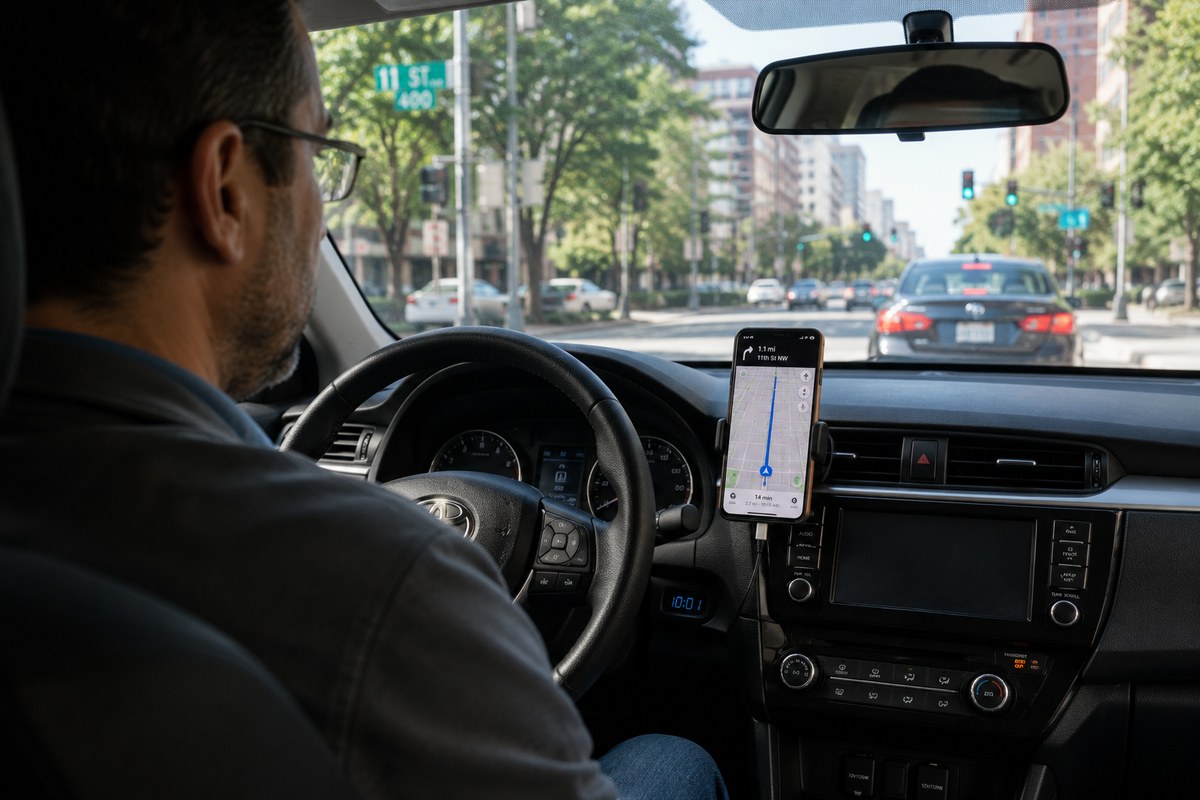
If you drive for a rideshare or delivery platform — even occasionally, even just to cover gas money — there's a real chance your personal auto policy excludes coverage while the app is on and you're working. Many personal policies have a specific commercial-use exclusion that kicks in the moment you're logged into a driving app, regardless of whether you have an active passenger or delivery. Rideshare companies typically provide some coverage during active trips, but there can be real gaps — particularly in the period when the app is on but you haven't yet accepted a ride. A rideshare endorsement, where available, is built specifically to close this gap.
Renting a Car While Traveling
Whether your personal policy extends to a rental car depends entirely on your specific policy — it's not a universal yes. Some policies extend full coverage to rentals automatically; others only extend liability, leaving you exposed for damage to the rental itself. This is worth checking before you're standing at a rental counter deciding whether to buy the counter's collision damage waiver, which is often priced at a steep daily rate.
Driving a Borrowed or Someone Else's Car
Coverage for driving a car that isn't yours generally follows the vehicle's policy first, with your own policy potentially applying as secondary coverage — but this varies by state and by the specific circumstances (how often you drive it, whether you live in the same household, etc.). If you regularly borrow a car that isn't insured in your name, it's worth a direct conversation with an agent rather than assuming it's covered by default.
Driving for Work (Beyond Rideshare)
Using your personal vehicle for work purposes — client visits, deliveries for a small business, transporting supplies — can fall into a similar gap as rideshare driving if it goes beyond an occasional commute. "Business use" is typically a distinct classification from "commute use" on an insurance application, and misclassifying it can affect a claim later, even if it didn't affect your premium up front.
Storing a Vehicle for the Off-Season
Classic cars, boats-and-trailers, motorcycles, and seasonal vehicles are sometimes insured under a standard policy year-round even though they only get driven a few months a year. Depending on the vehicle, a specialty or seasonal policy can sometimes provide more appropriate coverage (and cost) for a vehicle that spends most of the year parked.
Modified or Custom Vehicles
Aftermarket modifications — lift kits, performance upgrades, custom paint, aftermarket wheels — aren't always automatically covered under a standard policy's valuation of your vehicle. If something happened to your car, a standard policy might only reimburse the value of the stock vehicle, not the modifications. Custom parts coverage exists specifically to close this gap for drivers who've put real money into their vehicle beyond factory specs.
The Takeaway
None of these situations are rare edge cases — rideshare driving, borrowing a car, and renting while traveling are all things a huge number of regular drivers do without a second thought. The issue isn't that standard coverage is bad; it's that it's built around a fairly narrow definition of "typical" use, and a lot of normal life falls just outside that line.